Before the Road Was Built
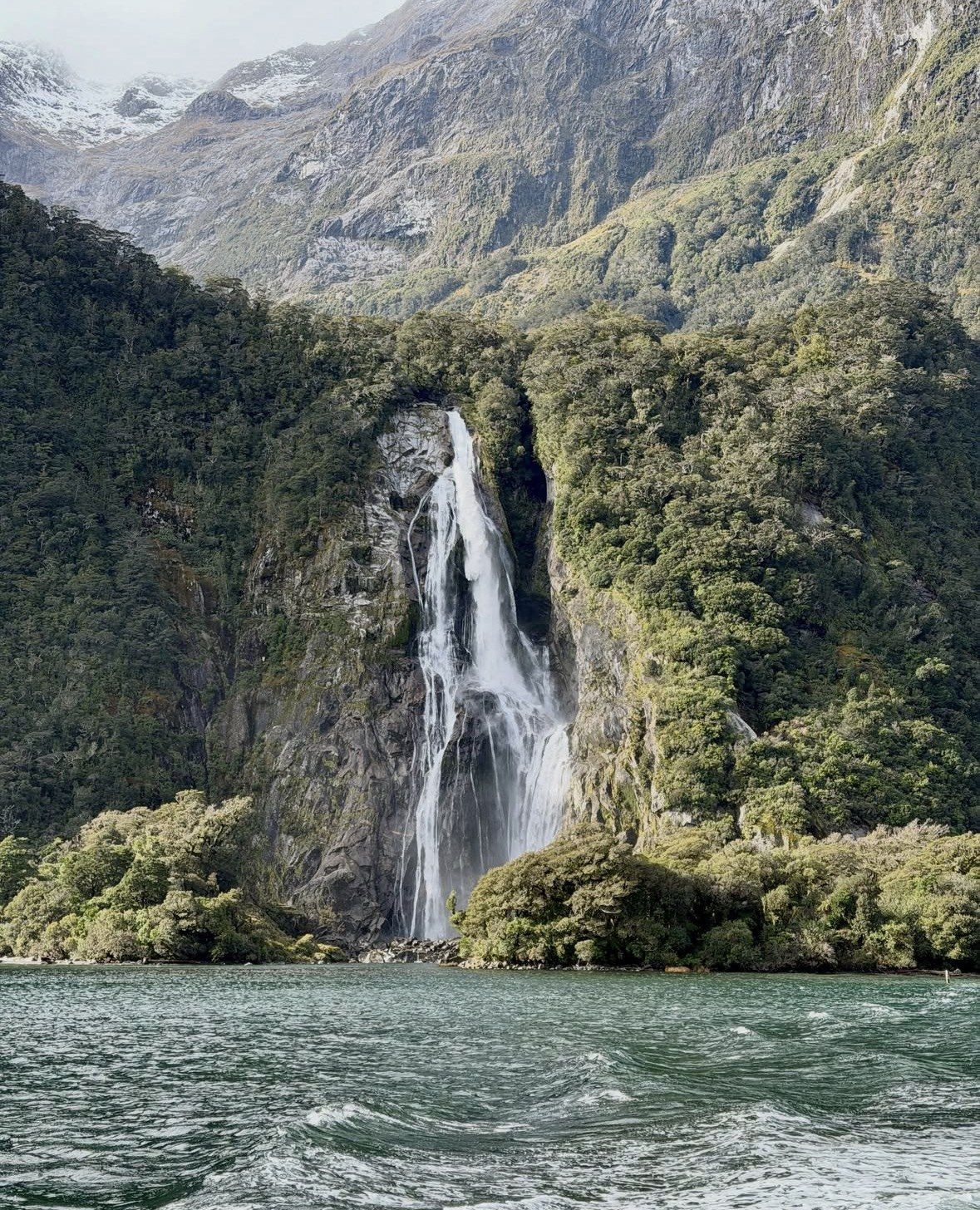
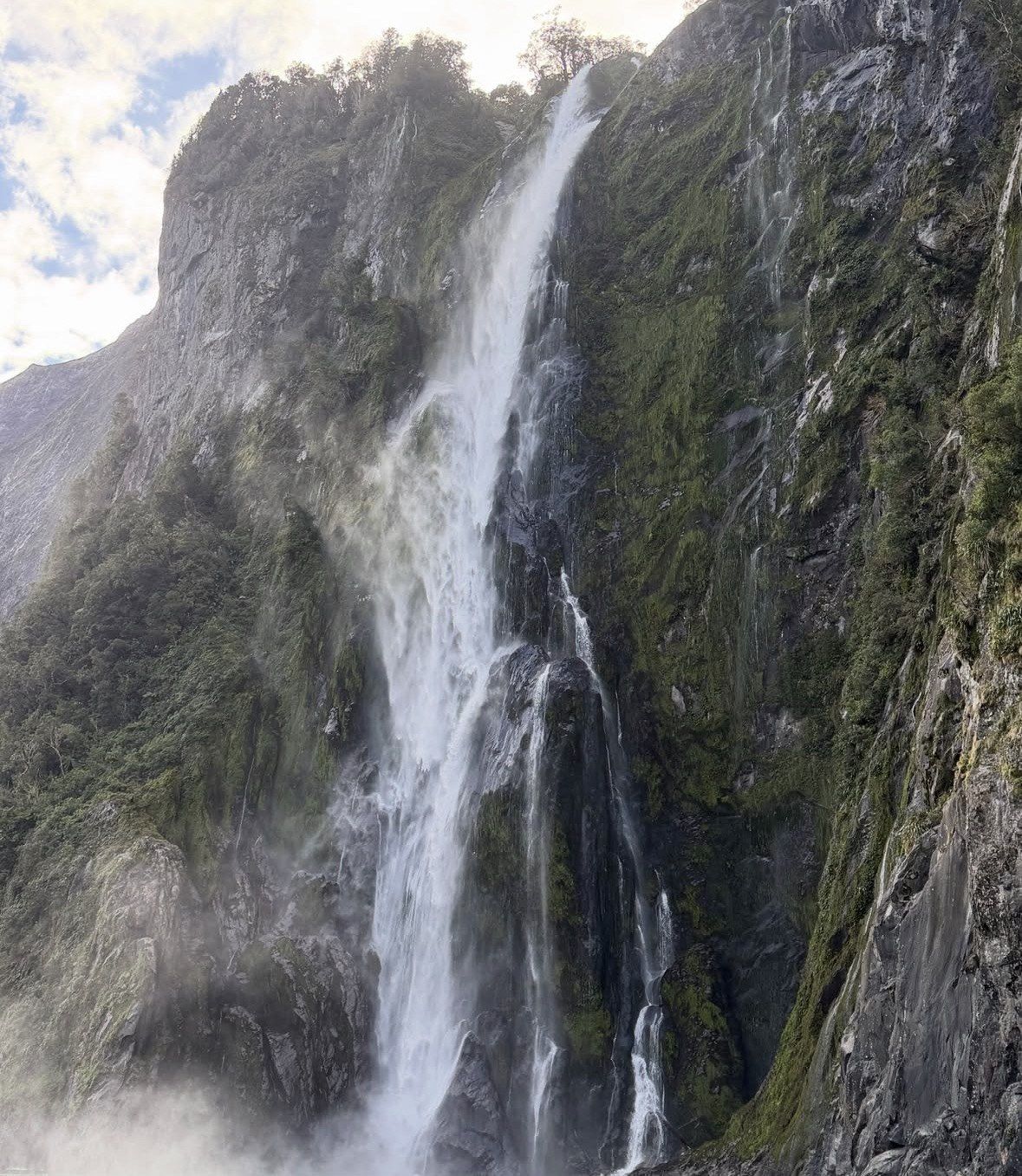
Ice did the shaping here long before anyone arrived to name the place. The walls you see from a boat were carved by glaciers, and they do not stop at the waterline: the same rock keeps dropping to depths of up to about 265 m. Mitre Peak, the summit in every photograph, rises 1,692 m straight out of the water. Rain finished the job and still does, averaging over 7 metres a year. Piopiotahi is the Maori name, and it is the one the Department of Conservation and Milford Sound Tourism Limited use alongside the English one; it also carries into the name of the marine reserve that protects the fiord underwater.
Ships arrived before roads did. The mountains left no easy land route, and that only changed when a tunnel was driven under the main divide: the Homer Tunnel runs 1.2 km, sits 945 m above sea level, stands about 3.81 m at its highest point and drops steeply toward Milford Sound on the western side. State Highway 94, the Milford Road, is still the only route in, so every car, shuttle and coach covers the same 120 km from Te Anau. The stretch between the Hollyford Road junction and The Chasm is signposted as a no-stopping avalanche zone. Back along the road, The Divide is the lowest east-west pass in the Southern Alps.
What the Marine Reserve Protects
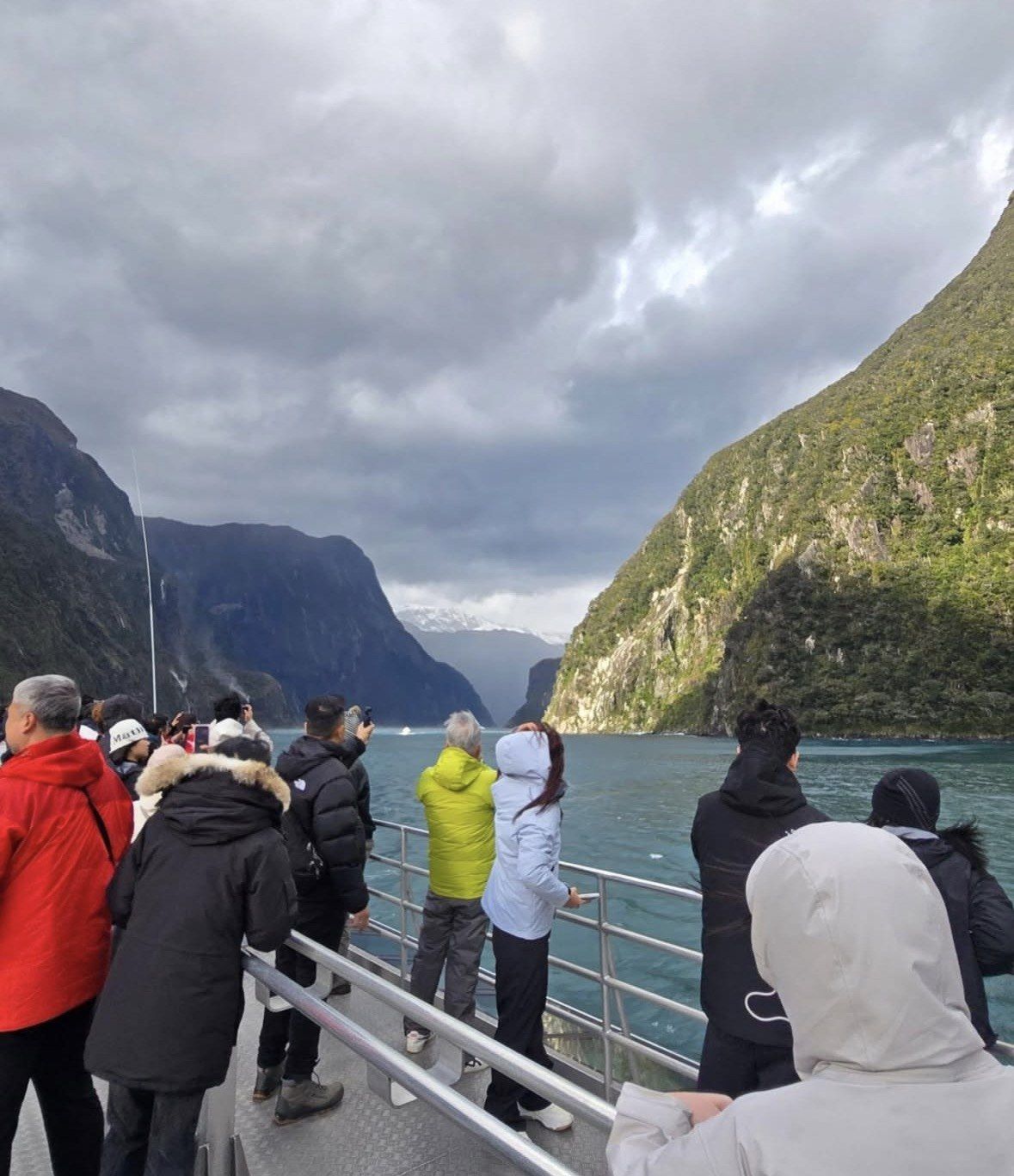
DOC has managed the Piopiotahi (Milford Sound) Marine Reserve since it was established in 1993. It runs 16 km along the fiord and covers 690 hectares, which makes the protected water roughly the length of the cruise route. Black coral is the main reason it exists, growing here in conditions found in very few places. Boats pass over it all day, on walls that fall away directly beneath the hulls, and most passengers never know. Divers come for exactly that, and DOC lists Piopiotahi among the most popular places in Fiordland to dive and see black corals, reached from Te Anau along the Milford Road.
Tannin washed out of the forest sits in a dark freshwater layer on top of the salt water, and most marine life in the fiords lives in the top 40 metres under it. That low light is why black coral grows so shallow here, from about 10 metres down, when elsewhere in the world it usually lives at roughly 200 to 1,000 metres. Around 7 million colonies grow across the fiords, one of the largest populations anywhere, and some of those trees are up to 200 years old. DOC notes you can see the coral without diving, from the underwater observatory in Milford Sound; check that the observatory is operating before you plan a visit around it.
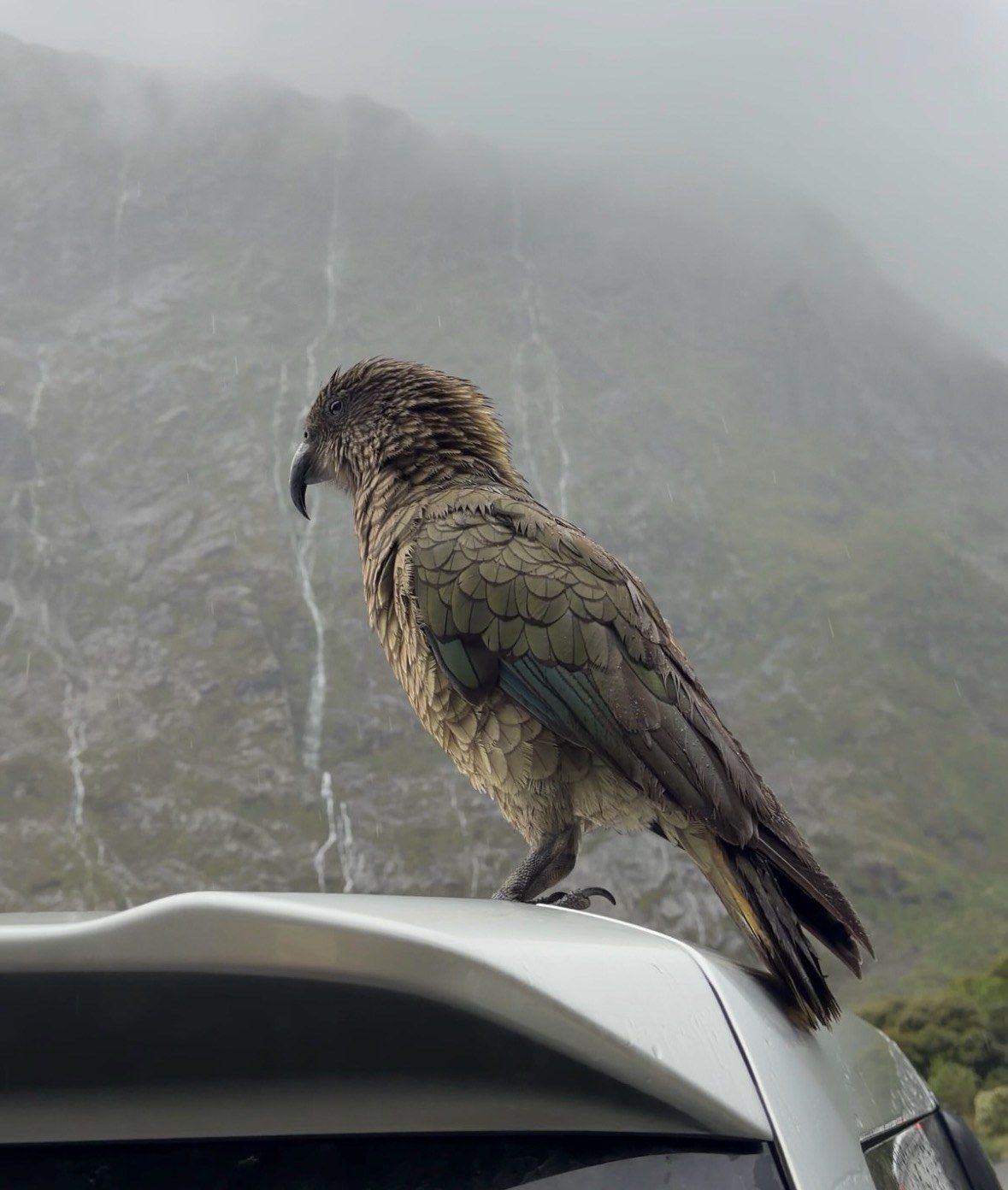
Wildlife here runs on a calendar. New Zealand fur seals haul out year-round and are most reliable at Seal Rock; bottlenose dolphins and kea turn up in any season, and dusky dolphins appear occasionally near the fiord entrance. Fiordland crested penguins, tawaki, are seen and heard at their landing beaches from July to December, with chicks fledging at about 75 days in late November or early December; the species is classed as 'Declining', and 1990s surveys found 2,260 nests. Humpback whales are recorded rarely, in October and November, on their spring migration. Keep your distance from marine mammals and penguins, as DOC asks, and let the animals start any close contact. Feeding kea is prohibited.
The Dates and Figures Behind It
1,692 m
Mitre Peak, rising straight out of the water
265 m
How far the glacier-carved walls drop below sea level
1992
Redeveloped Visitor Terminal opened on 24 April that year
1993
Piopiotahi (Milford Sound) Marine Reserve established
7 million
Black coral colonies in the Fiordland fiords, some 200 years old
883,000
Visitors recorded at Milford Sound in 2018, up from 437,000 in 2012
From Boat Access to a Million Visitors a Year
The buildings visitors actually use are recent. A Visitor Centre dating from 1991 was followed by a NZ$12 million redevelopment that opened on 24 April 1992, and in 2016 the operating company took the name Milford Sound Tourism Limited. MSTL runs the harbour, the wharves, the Visitor Terminal and the car parks rather than any one cruise company, which is why boats from different operators all check in under the same roof. In January 2026 the Minister of Conservation confirmed a long-term DOC concession letting MSTL keep the visitor terminal and car parks until 2050. The parking, the wharf space and the terminal sit with one operator; the boats, aircraft and coaches belong to others.
Growth came fast. DOC records visitor numbers rising from about 437,000 in 2012 to 883,000 in 2018, more than double in six years, and the Conservation Minister now puts it at more than a million visitors a year, contributing about NZ$200 million to the regional economy. Nearly all of them come through the same tunnel, along the same road, into the same car parks. MSTL advises travelling the road before 8am or after 11am, or staying overnight nearby, because the middle of the day belongs to the coach fleet. Take a sailing outside that window and you walk into a quieter terminal.
Public money followed the numbers. The Milford Opportunities Project produced a masterplan in 2021 and a business case in June 2024, after which the Government approved NZ$6.4 million from the International Visitor Conservation and Tourism Levy for visitor experience and infrastructure work at Milford, plus NZ$1.8 million for long-term planning. Smaller maintenance runs on the same logic: The Chasm Walk reopened on 24 April 2023 in modified form after 2020 flood damage, and now lets you look into the gorge from the edge of the Cleddau River without crossing it. Traffic signals control the single-lane Homer Tunnel through the summer peak, where delays can reach 20 minutes in each direction.
What a Visit Involves Today
Every cruise checks in at the Milford Sound Visitor Terminal, and the drive is the part people underestimate. Te Anau to Milford Sound is 120 km, about two hours without stops; DOC puts the round trip at 240 km and advises allowing around eight hours for the day, including stops, short walks and a cruise. Queenstown is 600 km away, 12 to 14 hours by car, or roughly five hours each way by coach, which is why the small-group tours from Queenstown on this site collect passengers at 6:30am or 7:00am. There is no fuel between Te Anau and Milford Sound, toilets are only at Te Anau, Knobs Flat and Milford Sound, and mobile coverage along the road is very limited.
Go in the rain. Rainfall averages over 7 metres a year, and rain is what switches on the temporary waterfalls streaming down the rock walls, so pack a hard shell and sail anyway. Watch the road between May and November: it is prone to avalanches, rockfall and landslides, snow chains may be required, and the Milford Road Alliance monitors it around the clock while conditions change day to day. Drones are prohibited in Piopiotahi Milford Sound and throughout Fiordland National Park, and dogs are not allowed in the park at all. Cruise-only sailings listed on this site start from NZ$143 for two hours on the water, and the overnight sailings here are sold on final-sale terms.